
Hardwood vs Vinyl for a Remodel: Which Flooring Is Right for Your Home?

If you’re planning a remodel, flooring is one of those decisions that feels simple at first…until it’s not. A lot of homeowners start with the same question: should I choose hardwood or vinyl flooring for my remodel?
And it makes sense. Your floors affect how your home looks, how it holds up over time, and even how it feels day to day—not to mention the impact on resale value.
The good news? There’s no wrong answer, just the right fit for your home, your lifestyle, and your budget. Let’s walk through it in a way that actually helps you make a confident decision.
What’s the Difference Between Hardwood and Vinyl Flooring?
At a basic level, the difference between hardwood and vinyl flooring comes down to what the material actually is.
Hardwood flooring is real wood. Each plank has its own grain, texture, and variation. That natural look is a big part of why homeowners love it.
Vinyl flooring (especially luxury vinyl plank, or LVP) is manufactured to mimic wood. It’s made from synthetic materials and designed to be more durable, water-resistant, and easier to maintain.
A simple way to think about it:
-
Hardwood is the traditional, long-term investment
-
Vinyl is the practical, modern alternative
Both can look great—it just depends on what matters most to you.
Hardwood vs Vinyl Flooring: Quick Comparison for Homeowners
If you’re looking for a quick snapshot, here’s how most homeowners compare the two:
-
Cost: Vinyl is more budget-friendly
-
Durability: Vinyl handles scratches, spills, and wear better
-
Lifespan: Hardwood lasts much longer
-
Maintenance: Vinyl is easier to take care of
-
Appearance: Hardwood has a more natural, high-end look
-
Home Value: Hardwood typically adds more resale value
So right away, you’re balancing convenience vs long-term investment.
Hardwood Flooring Pros and Cons
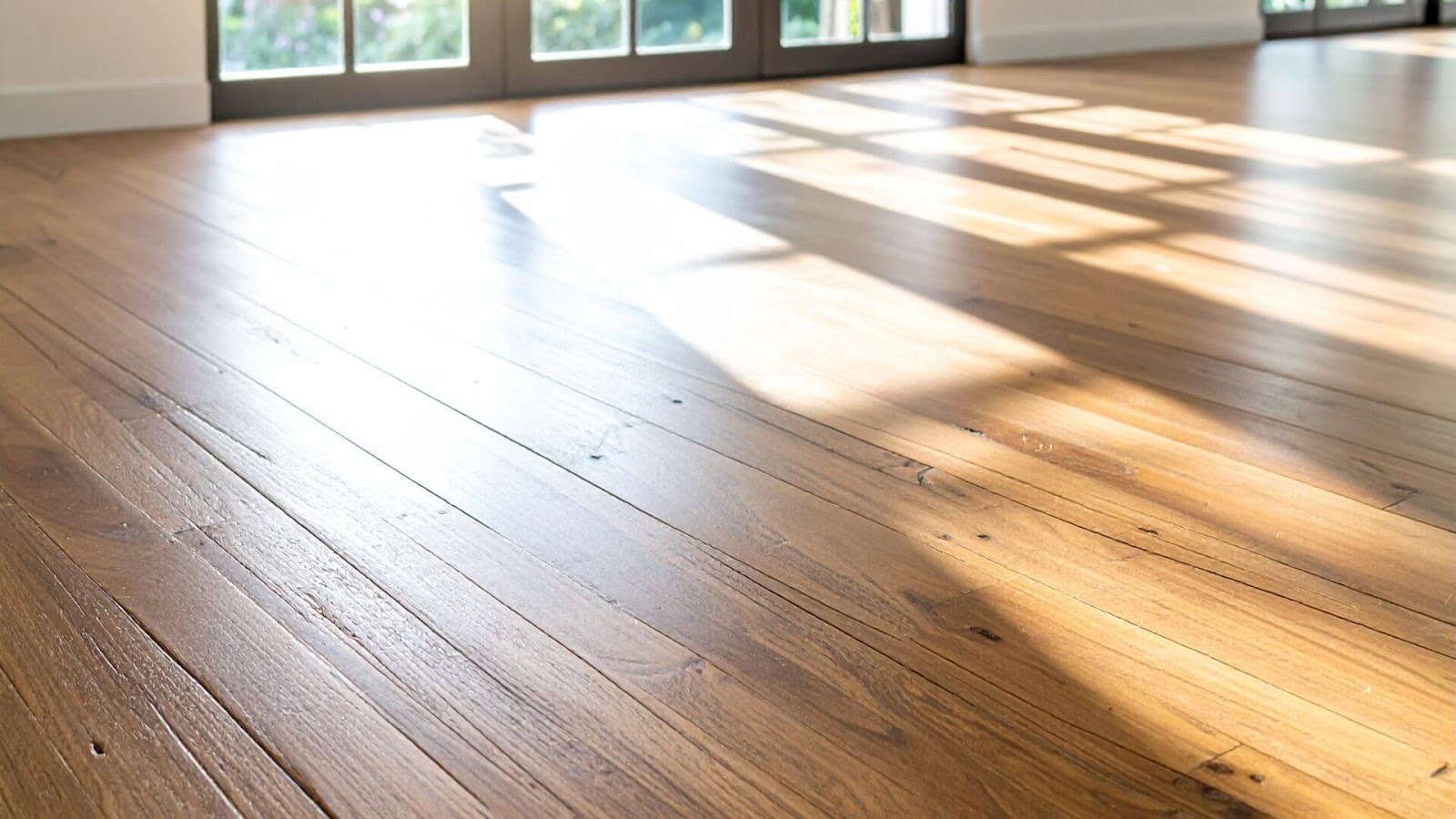
Hardwood is often seen as the gold standard when it comes to flooring. That said, it’s not always the best fit for every space, so it helps to look at both sides before deciding.
Benefits of Hardwood Flooring
There’s a reason hardwood has been around forever—it delivers where it counts.
It looks great and feels natural. There’s something about real wood that adds warmth and character to a space. It’s hard to fully replicate.
It lasts for decades. Hardwood can be refinished multiple times, which means you’re not starting from scratch if it gets worn.
It adds value to your home. If resale is on your mind at all, hardwood is often seen as a premium upgrade.
It helps with overall comfort. Because wood is a natural material, it tends to feel warmer underfoot and can help maintain a more consistent room temperature compared to some synthetic options.
Drawbacks of Hardwood Flooring
That said, hardwood isn’t always the most practical choice and does have drawbacks to consider.
Higher upfront cost. It’s one of the more expensive flooring options, especially when you factor in installation.
Moisture sensitivity. Water and humidity can cause warping or damage over time.
Ongoing maintenance. It needs a bit more care, and eventually refinishing, to keep it looking its best.
Wear and tear over time. Scratches and dents can happen, especially in busy homes.
Vinyl Flooring Pros and Cons
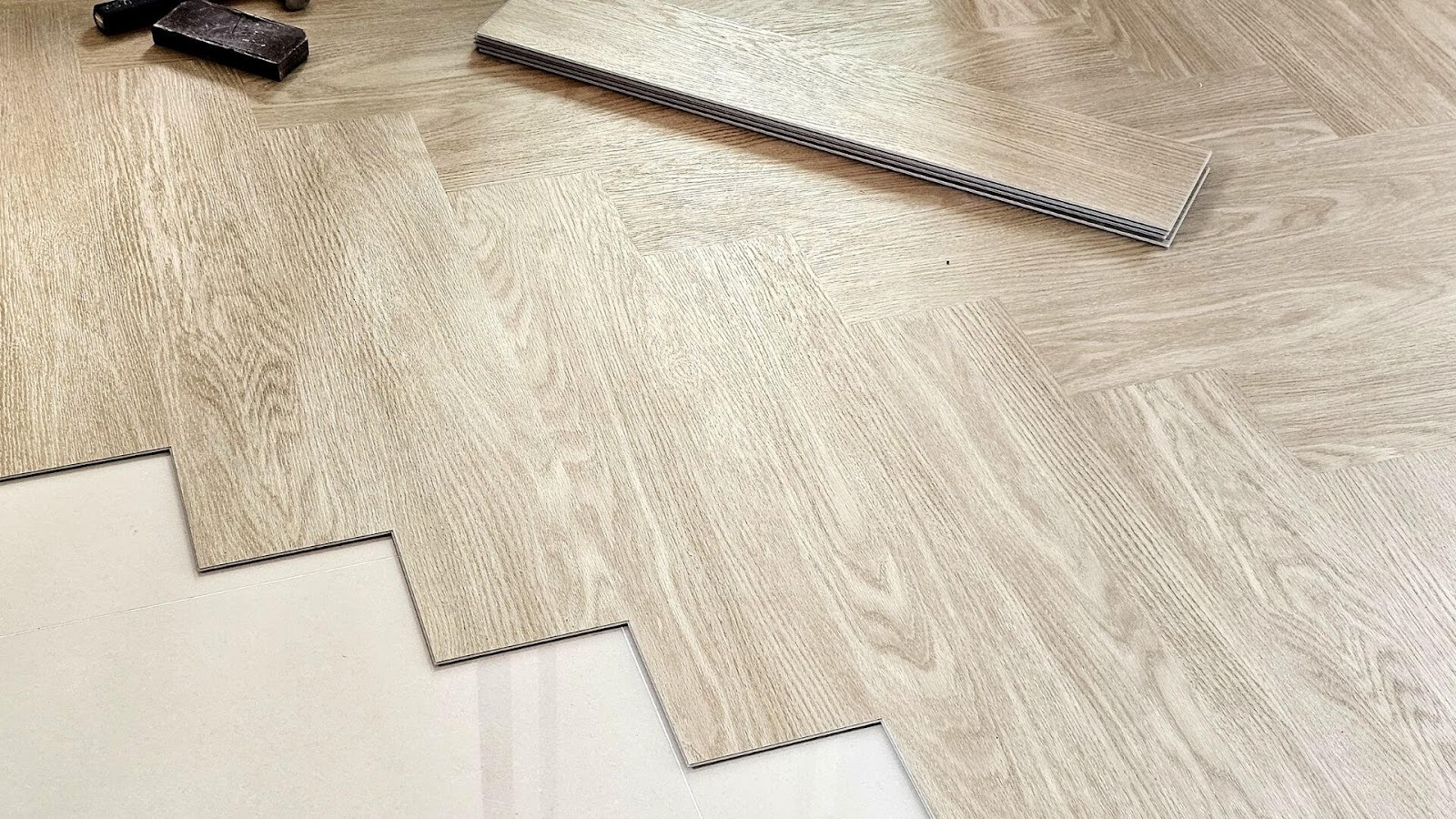
Vinyl has come a long way over the years, and it’s now one of the most practical options for many homes. Still, it’s important to understand where it really shines and where it might fall short.
Benefits of Vinyl Flooring
Vinyl has become a go-to option for a lot of homeowners—and for good reason.
More affordable overall. It’s a practical choice if you’re remodeling a large area or trying to stay within budget.
Handles moisture really well. This makes it ideal for kitchens, bathrooms, and basements.
Low maintenance. No refinishing, no special upkeep—just regular cleaning.
Built for real life. It’s durable, scratch-resistant, and holds up well with kids and pets.
Works well with modern heating systems. Vinyl transfers heat efficiently, which can make it a great option if you’re considering radiant floor heating.
Drawbacks of Vinyl Flooring
Vinyl does have a few trade-offs, especially when comparing it to hardwood.
Lower resale value. It looks good, but it doesn’t carry the same weight as hardwood when it comes to buyers.
Shorter lifespan. Most vinyl floors will eventually need to be replaced rather than restored.
Not repairable in the same way. You can’t refinish vinyl like you can with hardwood.
Can feel cooler underfoot. Especially in basements or over concrete, vinyl may not feel as warm without the right underlayment.
Key Factors to Consider When Choosing Hardwood vs Vinyl
When choosing between hardwood and vinyl flooring for remodels, there are several key factors to consider. Every home is different, so it helps to look at this decision from a few angles.
1. Budget: Which Option Fits Your Remodel?
If you’re trying to keep costs down, vinyl is usually the easier choice.
That said, some homeowners are willing to spend more upfront on hardwood because they know it can last for decades.
Think of it this way:
-
Vinyl = lower upfront cost
-
Hardwood = longer-term investment
Here’s a quick breakdown of the average costs:
-
Vinyl: $2-6 per square foot, including materials and labor
-
Hardwood: $7-17 per square foot, including materials and labor
So, for a 150 square foot kitchen remodel, the vinyl flooring may run several hundred dollars, whereas hardwood could be over $2,000.
2. Durability and Lifestyle Needs
Your day-to-day life matters more than you might think here.
If your home sees a lot of activity—kids, pets, heavy foot traffic—vinyl tends to hold up better without showing wear. In quieter areas, hardwood can perform just as well and bring more visual impact.
3. Moisture and Room Location
This is often the deciding factor. Most homeowners go with:
-
Hardwood in living rooms, bedrooms, and hallways
-
Vinyl in kitchens, bathrooms, and basements
Vinyl’s waterproof qualities make it a safer option where spills and humidity are common. It’s also a strong choice for basements—not just because of moisture, but because it works well over concrete and can be paired with underlayment to improve comfort.
4. Appearance and Design Goals
If you’re going for a classic, high-end look, hardwood is hard to beat. But if you’re trying to balance style with budget, vinyl can get you surprisingly close. A lot of modern options look great once they’re installed.
5. Home Value and ROI
Hardwood usually has the edge when it comes to resale value. That said, buyers today are more open to vinyl—especially in the right areas of the home where durability matters more than material.
6. Comfort, Insulation, and Heating Performance
This is something a lot of homeowners don’t think about upfront, but it can make a noticeable difference once you’re living in the space.
Hardwood tends to hold heat a bit better, which can help rooms feel warmer and more comfortable, especially in colder months. Vinyl, on the other hand, can feel cooler underfoot—especially over concrete or in basements—so the underlayment and subfloor setup play a bigger role in overall comfort.
If you’re considering radiant floor heating, vinyl is often the easier option since it transfers heat efficiently and handles temperature changes well. Hardwood can still work, but it usually requires more careful planning to prevent movement over time.
Beyond that, flooring also plays a role in how your home retains heat and how hard your HVAC system has to work—so proper installation and insulation matter just as much as the material itself.
Which Is Better for Your Remodel: Hardwood or Vinyl?
By now, you probably have a sense of what fits your home best.
If not, here’s a simple way to break it down:
-
Choose hardwood if you want something long-lasting, higher-end, and great for resale
-
Choose vinyl if you want something durable, affordable, and easy to maintain
And remember—you don’t have to choose just one.
A lot of remodels use a mix, with hardwood in main living spaces and vinyl in moisture-prone areas. That approach often gives you the best balance of style and practicality.
Common Questions About Hardwood vs Vinyl Flooring (FAQs)
Is hardwood or vinyl better for resale value?
Hardwood usually offers better resale value and buyer appeal.
Is vinyl flooring really waterproof?
Many modern vinyl options are fully waterproof, making them ideal for kitchens, bathrooms, and basements.
Can vinyl look like real hardwood?
Yes—today’s vinyl can look very similar to real wood, though it may feel different.
What flooring is best for kitchens or bathrooms?
Vinyl is typically the better choice because it handles moisture so well.
Ready to Start Your Remodeling Project?
Still not sure which flooring is right for your space? Or maybe you’ve decided, and you’re ready to hit the ground running!
At One Mechanical Solution, we help homeowners look at the full picture—not just flooring, but how everything works together. From remodeling to plumbing and electrical, we make sure your project is done right from start to finish.
Reach out today for a free quote, and let’s build a space that looks great and feels even better.